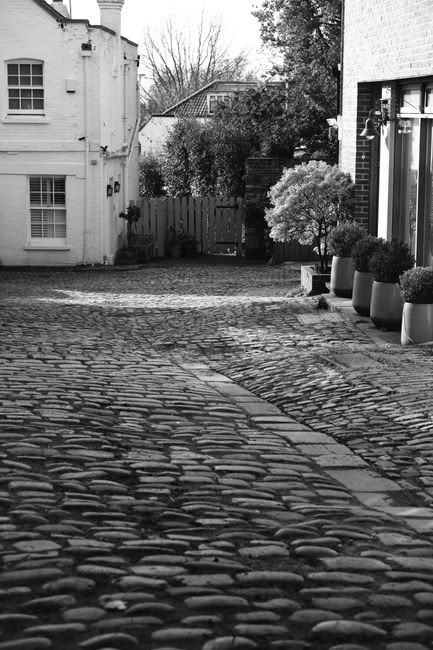
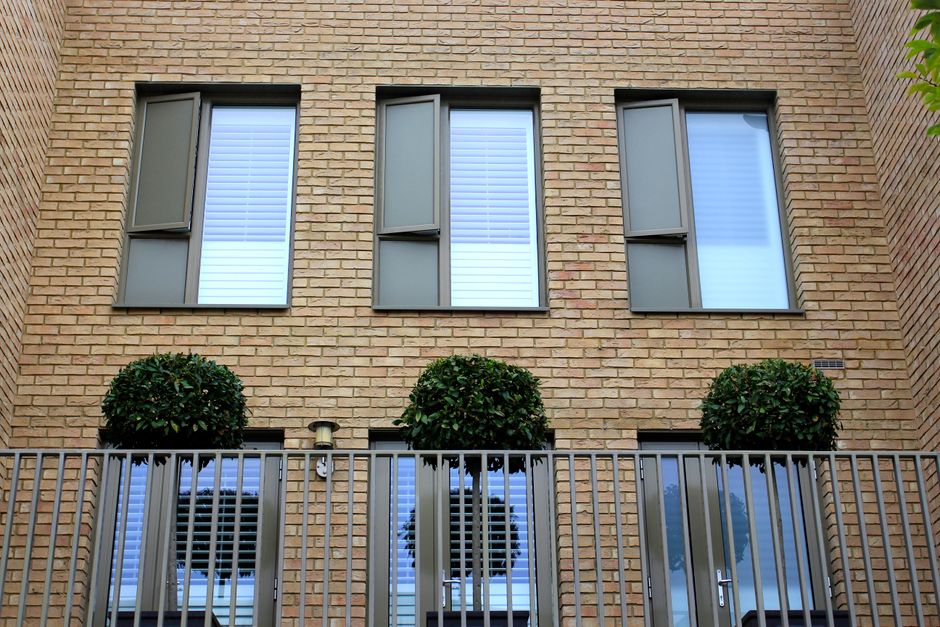
Vauxhall Bridge Road gardeners courtyard planting ideas
Courtyard gardens can be wonderfully rewarding, and a bit tricky too. If you are exploring Vauxhall Bridge Road gardeners courtyard planting ideas, you are probably dealing with a compact space, shade from tall buildings, awkward paving, or that classic London mix of wind, reflected heat, and not quite enough soil. In other words: a lovely challenge. The good news is that the right planting plan can turn even the smallest courtyard into a calm, stylish, usable outdoor room.
This guide walks through what works best in tight urban spaces, how to choose plants that cope with local conditions, and how to avoid the usual mistakes that leave courtyards looking cluttered or tired. You will find practical layout ideas, maintenance tips, and a few real-world considerations that matter in places like Westminster and the surrounding central London streets. Let's make the space earn its keep.
Why Vauxhall Bridge Road gardeners courtyard planting ideas Matters
Courtyard planting is not just about making things look pretty. In a place like Vauxhall Bridge Road, it often needs to solve several problems at once: limited sunlight, little floor space, overlooked windows, echoing hard surfaces, and the need for privacy without turning the space into a hedge maze. A well-planned courtyard can feel larger, greener, and more settled than its actual dimensions suggest.
That matters because small gardens can become awkward very quickly. The wrong pot sizes, overbusy planting, or a plant palette that cannot handle the conditions will make the space feel cramped. The right approach, though, can make a courtyard look intentional. Calm. Even a little luxurious, if you want that feeling.
There is also a practical side. Courtyards often sit right outside kitchens, basements, mews entrances, or ground-floor flats. That means planting has to tolerate foot traffic, occasional draughts, and day-to-day use. You need plants that behave, basically. No dramatic divas unless you are prepared to manage them.
In our experience, the best courtyard planting schemes are built around structure first and colour second. People often start with flowers and end up with gaps. Start with shape, texture, and evergreen backbone planting, and the whole area settles into place much more naturally.
How Vauxhall Bridge Road gardeners courtyard planting ideas Works
Good courtyard planting starts by reading the space properly. That sounds obvious, but it is where a lot of schemes go off the rails. Before you buy a single plant, you need to understand the direction of light, how wind moves through the courtyard, what the soil or containers can support, and how much of the floor needs to stay clear.
The working principle is simple: layer the planting so it creates depth without stealing usable space. Think vertical interest, mid-height shrubs, and low ground-level planting rather than a flat row of pots against a wall. In a small courtyard, every plant should earn its place.
A useful way to think about it is in three parts:
- Structure - evergreen plants, climbers, containers, screens, and focal points.
- Softening - grasses, perennials, and textured foliage that reduce the hard edges.
- Seasonal lift - bulbs, colour accents, and flowering plants that keep the space changing through the year.
Courtyards near central London buildings often need more shade-tolerant planting than a suburban garden would. Walls, neighbouring facades, and railings can cut direct sun down to a few hours a day. That is not a problem if you choose appropriately. Shade-friendly plants can look richer and more elegant than sun-lovers trying to survive in the wrong place. A bit of realism goes a long way.
You will also want to think about containers as design tools, not just vessels. Large pots can create rhythm, define paths, and add height. Smaller pots can look fussy if overused. A courtyard with three generous containers often looks better than one packed with twelve tiny ones. Strange but true.
Key Benefits and Practical Advantages
When designed well, courtyard planting does more than beautify a space. It changes how you use it.
- Privacy without bulk: Tall planters, climbers, and airy shrubs can shield views without making the courtyard feel boxed in.
- Year-round appeal: Evergreen structure keeps the garden looking alive even in winter.
- Better sense of scale: Repeated planting patterns make compact spaces feel calmer and more generous.
- Lower maintenance when planned properly: The right plant choices reduce the need for constant replacements.
- Improved atmosphere: Leaves, layered textures, and soft movement help cut down the hard, echoey feel that many paved courtyards have.
- Flexible design: Potted arrangements can be changed seasonally without rebuilding the whole garden.
There is a commercial advantage too, especially for rental flats, managed buildings, or properties being prepared for sale. A neat courtyard gives an immediate impression of care. Buyers and tenants may not know the names of the plants, but they do notice if the space feels coherent. They really do.
And on a personal level, a courtyard can become the one place where you get a cup of tea outside, hear the city soften for a moment, and feel like you have your own corner of it. That part matters more than people admit.
Who This Is For and When It Makes Sense
This kind of planting is a good fit for homeowners, landlords, flat owners, and property managers who want a courtyard to look polished without becoming a high-maintenance project. It is especially relevant if your outdoor space is small, paved, partially shaded, or overlooked from neighbouring properties.
You might benefit from a courtyard planting plan if:
- your space is narrow or enclosed;
- you want more privacy from nearby windows;
- you have limited time for upkeep;
- you want to soften hard landscaping;
- your courtyard currently feels bare, echoey, or underused;
- you need a design that works in pots, raised beds, or both.
It also makes sense if you already have hard landscaping in place and want planting to do the heavy lifting. In many London courtyards, the paving is staying put. Fair enough. The plants then become the main design layer, so they need to be chosen with real care.
If you are planning a broader refresh, it can help to look at related services such as landscape gardening or add practical finishing touches with decking services where the design calls for raised, usable seating zones. For ongoing upkeep, a regular garden maintenance plan can keep the planting looking intentional rather than unruly.
Step-by-Step Guidance
Here is a practical way to plan a courtyard planting scheme without overcomplicating it.
1. Measure the space properly
Start with honest measurements. Not just the floor area, but the height of surrounding walls, the width of door openings, the position of drains, and the amount of sun each part gets. A courtyard that looks bright at 9 a.m. can be gloomy by lunchtime. That changes everything.
2. Decide how the space should feel
Do you want it lush and enclosed, minimalist and calm, contemporary, or a little wild? The answer shapes the planting. A clean, modern courtyard might use clipped forms, grasses, and repeated containers. A softer scheme could layer ferns, hellebores, and scented climbers. Both can work beautifully.
3. Map the sun, shade, and wind
Note where light actually lands, especially in spring and autumn. Courtyards can be deceptive. A south-facing pocket may still be shaded by tall walls, while a north-facing garden can surprisingly hold good indirect light. Wind tunnels are another matter. If the space is exposed, choose sturdy plants and heavier pots that will not tip over in a bad spell.
4. Build structure first
Choose a few evergreen anchors. These might be clipped shrubs, small ornamental trees in containers, upright grasses, or climbing plants on supports. Structure is what makes a courtyard feel designed in February, not just in July.
5. Add layers of texture
Mix leaf shapes and heights. Think glossy leaves next to fine, feathery foliage; upright forms beside trailing ones. That contrast is what creates richness. Flowers are lovely, of course, but texture carries the scheme when blooms are resting.
6. Choose a restrained colour palette
In small spaces, a limited palette usually looks better than a rainbow. White, green, and one accent tone can feel polished. Deep purples and silvers often work well in London courtyards. If you love bright colour, use it in containers or seasonal planting rather than everywhere at once.
7. Leave room for movement
One of the most common mistakes is filling every corner. A courtyard still needs air and circulation. Keep a clear route to doors and seating areas. Leave space to sweep, water, and actually walk through the garden without side-stepping pots like you are in a very polite obstacle course.
8. Plan maintenance from the start
Be realistic about what you can keep up. If you want a low-effort scheme, avoid high-water-use combinations and plants that need constant clipping. If you enjoy gardening weekly, you can include more seasonal change. Either way, the planting should suit your routine, not fight it.
Expert Tips for Better Results
Small courtyards reward restraint, repetition, and good containers. That is the short version. The longer version is a bit more interesting.
Use oversized containers sparingly. A couple of substantial pots can ground the space and stop the planting from looking flimsy. Tiny mismatched pots often make a courtyard look busier than it is. If the container is too small, the plant ends up stressed too, which nobody wants.
Repeat materials and shapes. Repetition calms a tight space. If you use black planters, echo that colour in railings or furniture. If your paving is warm-toned, choose plants with softer greens and silver foliage to stop the palette from becoming heavy.
Think vertical. Climbers are gold in courtyard gardens. Trained against a wall, they add life without taking floor area. This is where careful support systems matter. A plain wall can become a living backdrop, and suddenly the whole place feels taller.
Prioritise leaf texture over flower count. In limited spaces, a scheme built only on blooms can look patchy between seasons. Strong foliage keeps the courtyard attractive from January through December.
Use scent close to where people sit or pass. A scented plant near a doorway or bench gives a little moment of pleasure every time you walk by. It's one of those details that feels small but sticks in the memory.
Allow for irrigation or easy watering access. Courtyard plants in containers dry out faster than people expect, especially near walls and paving. Group pots where possible to make watering less of a chore. Your future self will thank you, probably on a hot afternoon when the watering can feels very far away.
If the design needs a stronger privacy layer, a well-chosen screening strategy can help. For example, a mix of taller planting and structural hedging may work better than a single line of pots. In some layouts, professional hedge trimming support is useful once climbers and shrubs begin to mature and need shaping.
And if the courtyard has a large amount of clutter, old compost, or overgrown remnants, starting with garden clearance can make the design process much easier. Honestly, a clean slate saves a lot of guessing.
Common Mistakes to Avoid
Courtyard planting looks simple from the outside, but there are a few recurring mistakes that can undermine the whole thing.
- Choosing plants for a full-sun border: Many popular plants will not love a shaded or wind-battered courtyard.
- Using too many small pots: This makes the space feel cluttered and harder to maintain.
- Ignoring drainage: Waterlogged containers can kill roots quietly and quickly.
- Forgetting winter structure: A courtyard should still look composed in the colder months.
- Planting everything at the same height: Flat planting lacks depth and tends to look boxy.
- Overfilling the floor area: You still need to move around, sit down, open doors, and breathe a little.
- Not planning for upkeep: Even low-maintenance gardens need some attention.
There is also a design mistake that is harder to spot: mixing too many ideas at once. One pot style, one or two main foliage types, and a few seasonal changes are usually enough. Too many competing themes can make the courtyard feel restless. A bit of discipline goes a long way.
Tools, Resources and Recommendations
You do not need a huge toolkit to improve a courtyard, but a few good basics make the work easier and the results neater.
- Measuring tape: essential for spacing, pot sizes, and access gaps.
- Quality compost and grit: helps with container planting and drainage.
- Watering can or hose access: especially important for potted schemes.
- Secateurs: useful for deadheading, shaping, and light maintenance.
- Plant supports or trellis systems: for climbers and trained forms.
- Gloves and a hand trowel: basic, yes, but still necessary.
When choosing plants, look for those that are naturally suited to urban courtyard conditions. That usually means hardy perennials, shade-tolerant shrubs, ferns, ornamental grasses, evergreen structure plants, and climbers that can cope with walls and reduced soil volume. Tall pot planting can also work well if you want a sense of enclosure or screening; for a useful related read, see tall potted plants for secluded spaces.
If you are trying to decide whether to refresh the whole outdoor area or just the planting, it is often worth looking at the broader outdoor design first. A courtyard with strong hard landscaping, good drainage, and regular care is much easier to plant successfully. If that maintenance side feels a bit much, a planned service approach through services overview information can help you understand what is practical before you commit.
For clients who want to keep waste down and make sensible choices, recycling green waste and choosing sustainable materials can be part of the plan too. That does not have to be a grand statement; sometimes it is as simple as reusing solid pots and refreshing the planting mix rather than replacing everything.
Law, Compliance, Standards, or Best Practice
For most courtyard planting projects, the key issues are not legal complexity but good practice. Still, there are a few things worth keeping in mind, especially in central London settings where space is tight and buildings are shared.
If you are working in a flat, leasehold property, or shared courtyard, you may need permission before making larger changes to walls, drainage, planters, or fixed structures. That is especially true where climbing supports, trellis work, or heavy containers could affect communal areas. It is always better to check first than to apologise later.
Best practice also means thinking about safety. Heavy planters should be stable. Paths should remain clear. Irrigation should not create slip hazards. If a courtyard is near a boundary or shared access route, plant choices should not block circulation or create maintenance problems for neighbours.
Professional gardeners and landscapers typically also follow normal UK expectations around safe working methods, plant handling, and waste disposal. If you are hiring help, it is reasonable to ask about insurance, safety practices, and how they manage site protection. You can read more about those operational expectations through insurance and safety and the company's health and safety policy.
For cost planning, quoted work can vary depending on access, planting complexity, container supply, and whether clearance or soil improvement is needed first. It is sensible to compare what is included rather than focusing on headline price alone. A lower quote that omits preparation is not always the better deal. Sometimes it is, but often it is not.
If you are weighing up a project, it can help to review pricing and quotes before deciding how much work to bundle together. That keeps expectations grounded and avoids surprises halfway through.
Options, Methods, or Comparison Table
There is no single best courtyard planting method. The right choice depends on the light, access, and how much maintenance you are happy to do. Here is a simple comparison of common approaches.
| Method | Best for | Strengths | Watch-outs |
|---|---|---|---|
| Container-led planting | Very small or paved courtyards | Flexible, easy to redesign, good for renters | Needs regular watering and feeding |
| Raised beds | Courtyards with enough room for structure | Better soil volume, strong visual impact | Can reduce circulation if oversized |
| Wall-trained climbers | Spaces needing privacy and height | Saves floor space, adds vertical interest | Needs proper support and pruning |
| Mixed structure planting | Most urban courtyards | Balanced, attractive all year, layered look | Requires thoughtful planning |
In many real courtyards, the best outcome comes from mixing methods. For example, a pair of large pots at the entrance, a climber on one wall, and a low planting strip or raised bed along the back can create a surprisingly generous feel. Not fancy, just effective.
Case Study or Real-World Example
Picture a narrow paved courtyard off a central London property near Vauxhall Bridge Road. The space gets morning light, loses it by early afternoon, and is overlooked from two upper windows. The owners want privacy, greenery, and somewhere to sit with coffee in the early evening.
The old setup was classic courtyard chaos: three mismatched pots, tired lavender in the wrong shade, and a boxy fence panel doing very little besides looking sorry for itself. The first step was clearance and a proper reset. Once the clutter was gone, the space could be read properly.
The new scheme used:
- two large feature containers near the seating area;
- a climbing evergreen against one wall for year-round cover;
- shade-tolerant ferns and structural foliage at the base;
- one ornamental grass for movement and lightness;
- a restrained palette of green, white, and soft silver.
The result was not dramatic in a flashy way. Better than that. It felt settled. By the second season, the planting had knitted together, the courtyard looked wider because the eye had places to rest, and the sitting area felt useful rather than decorative. The owner said the best change was simple: the space stopped looking like a leftover bit of paving and started feeling like a room.
If the courtyard has become overgrown or has old planting that is no longer doing its job, services such as garden maintenance and selective tree lopping and removal can help correct the structure before replanting. That first clean-up stage is often what makes the rest possible.
Practical Checklist
Use this checklist before you start planting or reorganising your courtyard.
- Measure the space, including height, shade, and access points.
- Decide whether the courtyard should feel lush, modern, private, or relaxed.
- Check drainage and drainage routes.
- Choose a small number of strong structure plants.
- Select plants that suit shade, wind, and container conditions.
- Use at least one vertical element, such as a climber or tall planter.
- Keep pathways and doors clear.
- Group pots for easier watering and stronger visual effect.
- Plan for winter interest, not just summer colour.
- Decide how much maintenance you can genuinely keep up with.
- Review any shared-building permissions if the space is communal or leasehold.
- Set a budget for plants, containers, compost, and installation.
Quick expert summary: in compact courtyard spaces, the winning formula is usually fewer but better plants, strong structure, careful spacing, and a maintenance plan that matches real life. That is the bit people skip, and it shows.
Conclusion
Vauxhall Bridge Road gardeners courtyard planting ideas are really about making small spaces work hard without making them feel busy or overdesigned. The best courtyard planting balances structure, texture, privacy, and ease of care. It should feel calm in winter, fresh in spring, and generous in summer, even if the garden itself is only a few metres across.
Truth be told, the most successful courtyard gardens usually start with sensible choices rather than dramatic ones. Good containers. The right shade-tolerant plants. A little height. A little repetition. And enough breathing room that the space stays usable day to day.
If you are ready to turn a tight paved area into something that feels greener, softer, and far more welcoming, start with the layout, then choose plants that fit the conditions rather than fighting them. That is where the real difference lives.
Get a free quote today and see how much you can save.
Frequently Asked Questions
What are the best plants for a small courtyard near Vauxhall Bridge Road?
The best plants are usually those that tolerate partial shade, wind, and container growing. Evergreen structure plants, shade-friendly shrubs, ferns, grasses, and climbers often perform well. The exact mix depends on how much light your courtyard actually gets.
How do you make a courtyard garden feel bigger?
Use repetition, vertical planting, and a limited colour palette. Large containers, clean lines, and layered heights help the eye move through the space instead of stopping at clutter. A little negative space is helpful too.
Are container plants enough for a courtyard garden?
Yes, container-led planting can work very well, especially in paved or rented spaces. The key is using enough soil volume, choosing the right compost, and watering consistently. Small pots tend to dry out fast, so bigger is usually better.
How much maintenance does a courtyard planting scheme need?
That depends on the planting style. A simple evergreen and shrub scheme may only need seasonal tidying, while a flower-heavy display will need more frequent attention. If you want low maintenance, choose resilient plants and keep the design focused.
Can courtyard gardens work in shade?
Absolutely. Many courtyard gardens are partially or heavily shaded, and there are plenty of plants that suit those conditions. Ferns, hardy evergreens, and shade-tolerant perennials can look excellent in a London courtyard.
What is the biggest mistake people make with courtyard planting?
Trying to fit too much in. Too many pots, too many colours, and too many plant types can make a small courtyard feel cramped. Good courtyard design usually looks simpler than people expect.
Should I use raised beds or pots in a small courtyard?
Both can work. Pots are flexible and suit changing layouts, while raised beds provide more soil volume and a stronger built-in look. Many of the best schemes use a mix of both.
Do I need permission to change planting in a shared courtyard?
Possibly. If the courtyard is communal, leasehold, or attached to a managed building, it is wise to check before installing heavy planters, fixing supports to walls, or changing drainage. Better to ask first than sort it out later.
How can I add privacy without making the courtyard feel closed in?
Use layered planting, climbers, and taller containers rather than solid barriers everywhere. Screen where needed, but leave some open sightlines. That balance keeps the space feeling private without becoming boxed in.
What should I do first if my courtyard is overgrown or cluttered?
Start with clearance and a proper tidy-up so you can see the space clearly. Once the old plants, debris, and unused items are removed, it becomes much easier to plan structure, access, and planting zones. A clean slate makes the design choices far simpler.
How do I choose the right contractor or gardener for a courtyard project?
Look for someone who understands small-space planting, container design, access issues, and ongoing maintenance. It also helps if they can explain what is included in the quote and how they approach safety, drainage, and aftercare.
Can courtyard planting improve property value or appeal?
It can improve the perceived value and presentation of a property, especially where outdoor space is limited. A well-planted courtyard feels like usable extra room, which is appealing to buyers and tenants. The effect is practical as much as visual.
Small courtyards can become some of the most loved spaces in a home. Give them the right planting, and they quietly do the rest, year after year.