Hedge Trimming in Millbank

Hedge trimming in Millbank needs a careful approach that respects shape, growth pattern and the setting around each garden boundary. Our service focuses on keeping hedges neat, healthy-looking and manageable, with attention to the finish as well as the practical work of cutting back new growth. Whether a hedge is part of a front boundary, a screened courtyard or a larger garden edge, we aim for a balanced result that supports tidy lines and steady maintenance through the season.
We work on common hedge types and can trim them to maintain height, width and density without stripping away too much growth at once. A well-cut hedge should still look natural, with the right amount of growth retained so it continues to thicken and recover well. If you want a sharper outline, a softer informal shape or a simple seasonal tidy-up, we can discuss the best approach for the hedge you have.
For a clear next step, you can request a quotation once you know the type of hedge, its approximate length and the finish you want. If you are comparing options, start by thinking about what matters most: a precise clipped line, a full reduction, or regular upkeep that keeps the hedge under control. Keep the request simple and we can build from there.
Regular hedge maintenance
Routine hedge maintenance is about more than making a line look neat for a short time. It helps prevent the hedge from becoming too wide, too tall or uneven at the base. Regular cutting can also reduce the effort needed later, because growth is easier to shape when it is still within a manageable range. Our trimming work is suited to hedges that benefit from scheduled upkeep rather than occasional heavy reduction.
In many gardens, the best result comes from consistent trimming at the right point in the year. That allows the hedge to hold a cleaner outline while still leaving enough growth to support healthy foliage. If you are unsure how much should be taken off, we can talk through the hedge’s condition and the finish you want before any work is arranged. Our services overview is a useful starting point if you would like to see how hedge trimming sits alongside other garden work.
When a hedge is kept in shape through regular maintenance, the cut tends to look more even and the garden boundary feels less overgrown. It can also make the hedge easier to inspect, because new shoots, sparse patches and awkward sections are more visible once the outer growth is brought back. That gives you a better basis for deciding whether light trimming is enough or whether a fuller reshape is needed.
Shaping, reduction and tidy finishes

Different hedges call for different finishes, and the right method depends on the purpose of the planting as well as its current size. Some hedges need a crisp, squared profile; others are better kept with a softer taper so light reaches the lower growth. We can trim with those goals in mind, aiming for a result that suits the hedge rather than forcing every boundary into the same pattern.
Where a hedge has outgrown its space, a reduction may be more appropriate than a light trim. That can mean lowering the height, bringing the sides back in, or restoring a more even line after a period of uneven growth. Care matters here, because removing too much too quickly can leave bare patches or an unnatural finish. A measured approach is often better when the hedge needs to look good both immediately and later on.
If you are planning ahead, it helps to think about the hedge in terms of shape, privacy and upkeep. Some customers want the tidy appearance first; others want to reduce how often the hedge needs attention. A trimmed hedge can support both aims, but the balance between them should be decided before the cut is started so the outcome matches the garden’s use.
What influences the work
Several practical factors affect hedge trimming work, including access, hedge height, thickness and how much previous growth needs to be removed. A dense hedge may require more time simply because the cut has to be taken through layers of growth, while a taller hedge can add difficulty if the top or far side is awkward to reach. Those details help shape the scope of the job and the way it is priced.
It is often useful to think about the hedge type as well. Some hedges respond well to firm regular trimming, while others are better handled with a lighter touch to avoid visible gaps. The condition of the hedge matters too: if a hedge has been left for a long time, the first cut may need to be more cautious than routine maintenance. Pricing and quotes explains the kind of details that usually help when a quotation is being prepared.
To make the enquiry process straightforward, a brief description of the hedge location, approximate size and the result you want is usually enough to begin. A simple note about whether you want a routine tidy, a height reduction or a neater finish helps us narrow the scope quickly. If you already know which side or section needs work, include that too so the request is easier to assess.
Front boundaries, side hedges and garden screens

Hedges used as boundaries often need slightly different handling from hedges that are mainly decorative. A front hedge usually benefits from a clean edge and a consistent height that keeps the property looking orderly. Side boundaries may need a more practical cut to preserve space and access, while screening hedges often need enough fullness to maintain privacy. Trimming is most effective when the aim of the hedge is clear.
For taller or longer runs, the work may be broken into sections so the finished line stays consistent from end to end. That approach helps when one part of the hedge has grown faster than another, or when access changes along the boundary. It also makes it easier to avoid a patchy result, because the trim can be matched across the length rather than treated as isolated cuts.
If you are deciding between a sharper formal look and a looser finish, think about how the hedge sits within the garden. A formal boundary often looks best with straight lines and even faces, while a softer hedge may suit a more relaxed planting scheme. Either way, the aim is to leave the hedge looking deliberate rather than simply shortened.
Preparing for a quotation
A useful quotation starts with clear information. If possible, note the hedge length, an approximate height, and whether you want trimming on one side or both. It also helps to mention if the hedge is hard to reach, if there are slopes or obstacles nearby, or if the hedge sits near paths, fences or planted beds that need care around them. Those points affect the amount of work involved.
When you contact us, you do not need to write a long explanation. A few practical details are usually enough to understand the job and decide whether any extra information is needed. If you can, describe the finish you want in plain words such as tidy-up, reshape or reduction. That makes it easier to match the work to your expectations. Contact us if you are ready to start the conversation.
We also find it helpful when customers mention whether the hedge has been trimmed recently or left for a longer period. That tells us whether the work is likely to be routine maintenance or something that needs a more cautious first pass. A short message is enough, and you can always add more detail later if the quote needs refining.
Garden care around the hedge
Hedge trimming often sits alongside other garden care tasks, especially when the hedge is part of a wider boundary that also includes lawns, borders or hard landscaping. Keeping the hedge neat can make the rest of the garden feel more orderly, but it is still useful to treat the hedge as its own job rather than folding it into a general tidy without thought. That way the finish stays purposeful.
If your hedge is part of a broader maintenance routine, combining it with related work can help keep the garden on a steadier cycle. For example, a hedge that is trimmed regularly may be easier to manage alongside light seasonal upkeep, while a hedge that has grown unevenly might need its own session first. Garden maintenance covers wider care that can sit around the hedge work when a garden needs more than one task.
Some customers prefer to address the boundary first and then decide what else needs attention. That is often sensible, because a tidy hedge changes the way the rest of the garden looks. Once the line is clean and the height is under control, it becomes easier to judge whether additional trimming, clearing or planting adjustments are worthwhile.
About Millbank
Millbank is an area on the north bank of the River Thames in central London, long associated with government, embassies, galleries and riverside institutions. It sits within the City of Westminster and is closely linked to the political quarter around Westminster, but it has its own character shaped by the river frontage, civic buildings and residential streets. The name is historically tied to a watermill and bank beside the Thames, and the district’s development changed significantly as the river edge was engineered and built upon over time. The riverside setting remains one of its defining features, with wide views across the water toward Lambeth and the Albert Embankment. Millbank is also known for the former site of Millbank Prison, which opened in the early nineteenth century and was later demolished, leaving space for major redevelopment. One of the best-known landmarks is Tate Britain, housed in a grand neoclassical building that became the national gallery of British art. Nearby streets include a mix of office buildings, apartments and institutional premises, giving the area a layered urban feel rather than a single commercial identity. The district is also shaped by its proximity to Victoria, Westminster and Pimlico, while the Thames Path links it into a longer route along the river. Despite its central position, parts of Millbank still feel calm compared with the busier roads around Parliament Square, and the river edge gives the area a broad open aspect unusual for inner London.
Leafy growth and seasonal timing
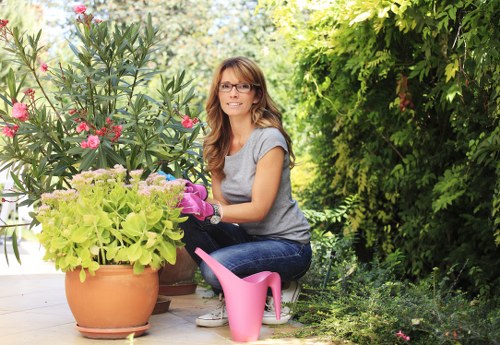
Different times of year suit different hedge tasks, and the right timing can affect how the hedge looks after cutting. Some hedges respond best to light trimming when growth is active, while others benefit from a more selective approach that avoids disturbing nesting wildlife or removing too much healthy foliage. A sensible trimming plan keeps the hedge neat without treating every hedge as if it behaves in the same way.
Seasonal work also changes the type of finish you might want. In one period, the aim may simply be to hold the line and stop the hedge from spreading; in another, a fuller reshape may be more appropriate because the hedge has had time to recover. If you already have a preferred month or season in mind, that can help us discuss the best scope before the job is arranged. Hedge trimming gives a direct route to the main service page if you want to review the work itself.
There is usually a practical balance between keeping a hedge tidy and giving it enough growth to remain healthy. That balance is why careful trimming is often better than aggressive cutting. A hedge that is trimmed with restraint can stay attractive for longer, while repeated over-cutting may leave it thin or uneven. The objective is a tidy boundary that still has a strong, living appearance.
Related garden and outdoor work
Some hedges sit within a larger outdoor scheme that also includes planting changes, hard landscaping or wider maintenance tasks. In those cases, it can be useful to think about hedge trimming as one part of a broader plan for the garden rather than an isolated task. That does not change the trimming itself, but it can affect the timing and the sequence in which different jobs are carried out.
When the hedge forms a clear part of the landscape design, the cut should support the overall look of the space. A formal layout may call for straighter lines and sharper edges, while a more relaxed design might allow a softer finish. If other work is planned at the same time, we can keep the hedge trim aligned with those wider choices. Landscape gardening may be relevant if you are considering changes beyond routine hedge care.
Useful things to include in an enquiry:
- the hedge’s approximate length and height
- whether you want a light trim or a reduction
- how accessible the hedge is on each side
- any nearby features that need careful working around
Finishing the job neatly

A tidy finish is not just about the cut itself. It also depends on how evenly the hedge line has been shaped and whether the result suits the garden once the work is complete. A good trim should leave the hedge looking balanced from the main viewing angles, with the top and sides working together rather than appearing separately cut. That kind of finish is especially important on boundaries that are easy to see from the street or garden path.
Some hedges need more attention to detail at the edges, where small uneven sections can stand out more than the main body of the hedge. In those cases, a careful final pass can improve the look without overworking the plant. Garden clearance may be useful if the hedge area also needs surrounding growth or cut material dealt with as part of a wider outdoor tidy-up.
If you would like to discuss your hedge trimming in Millbank, you can ask for a quotation and describe the shape, size and finish you need. A clear brief helps us respond sensibly, and it gives you a better basis for comparing options. Request a quotation when you are ready.